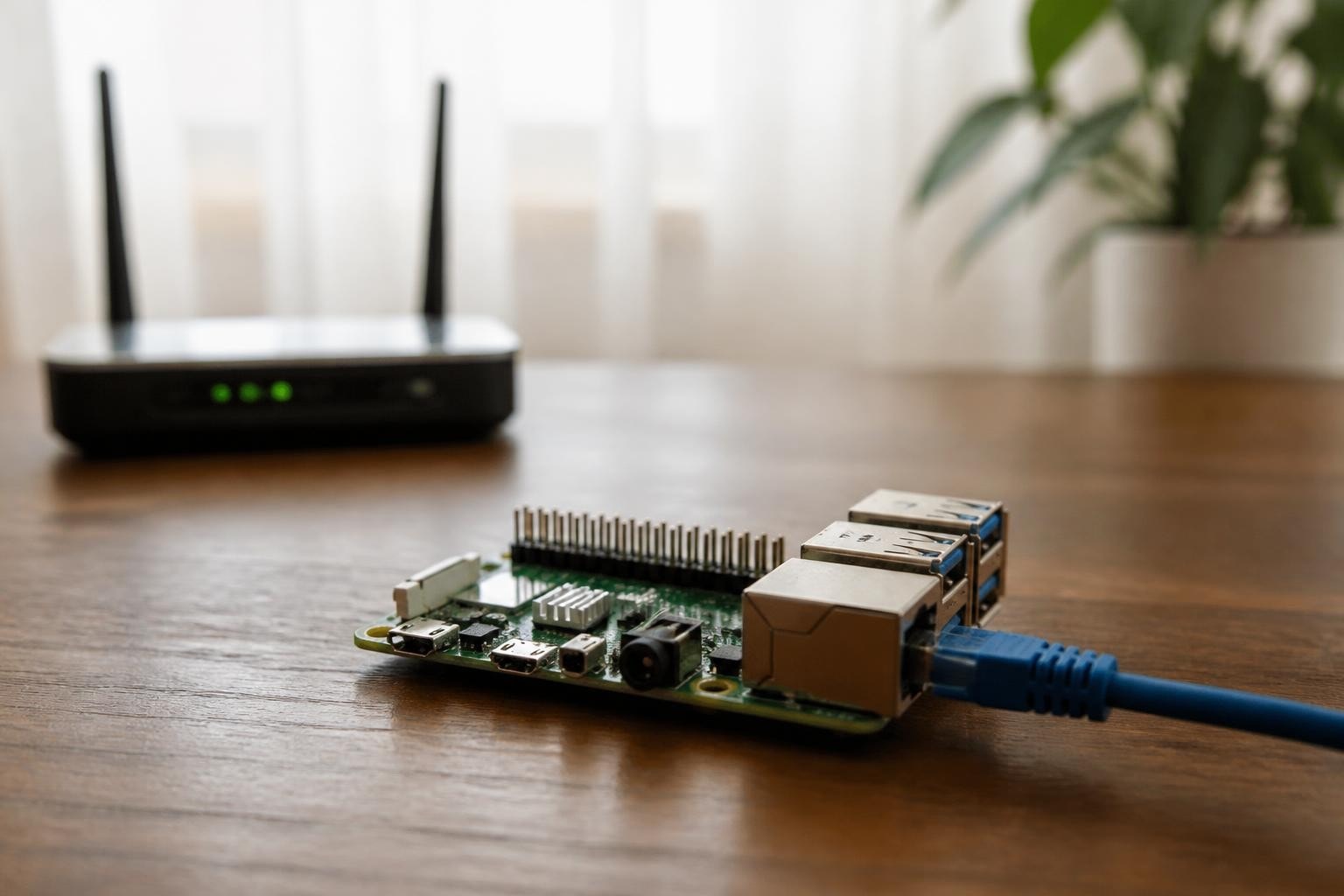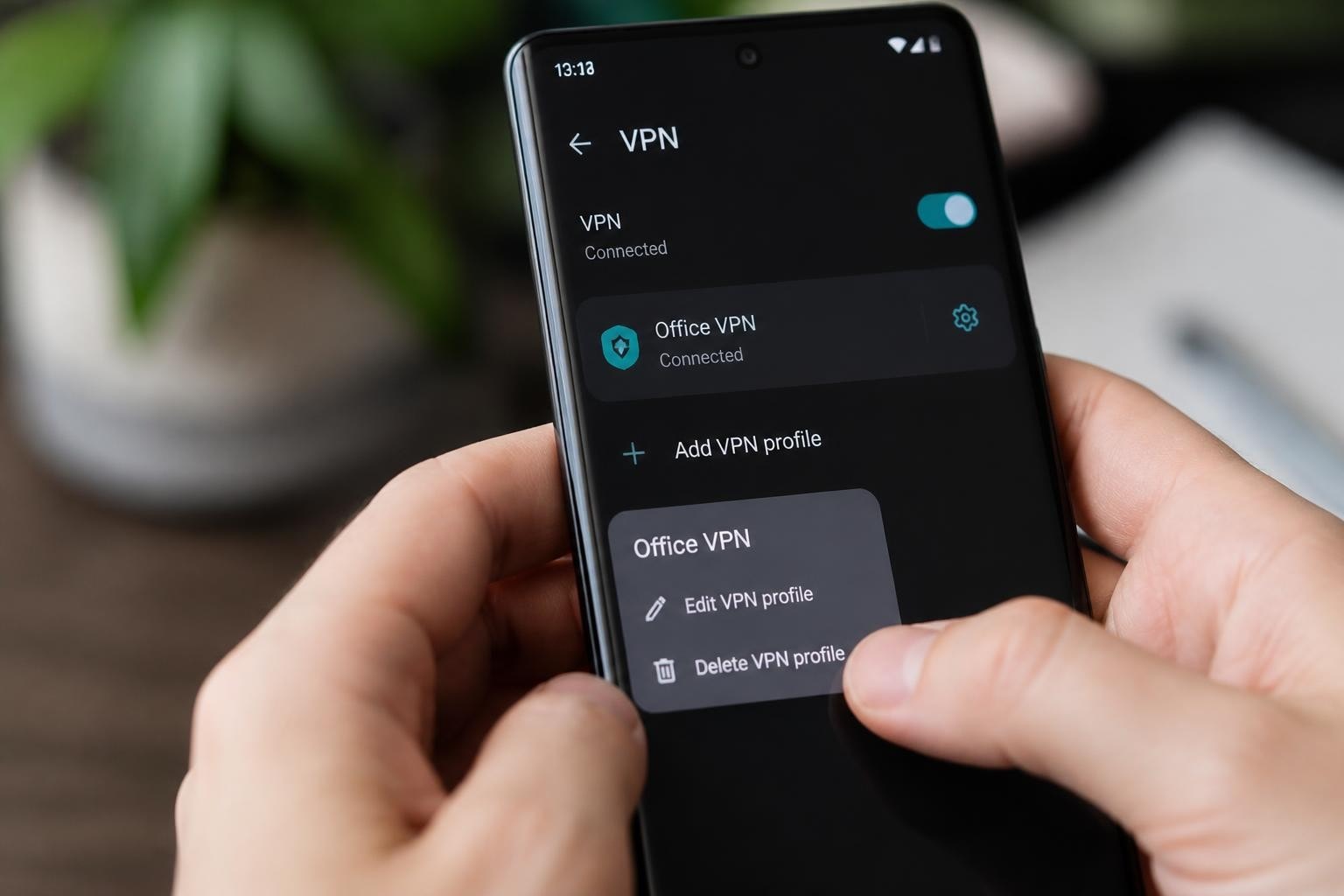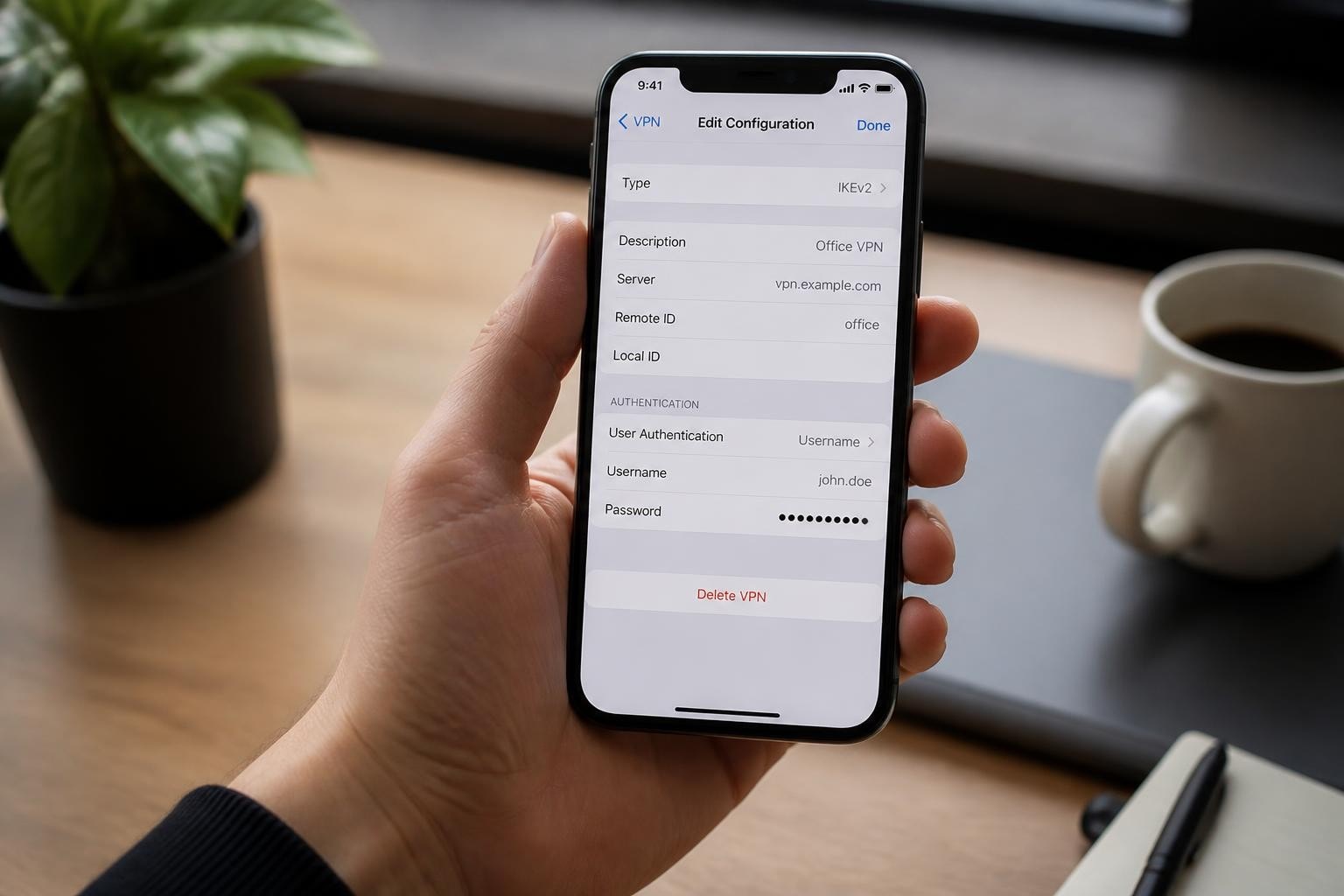





In an era where digital privacy faces unprecedented threats, choosing a VPN provider requires careful evaluation of security practices, transparency, and proven commitment to user anonymity. Mullvad has carved out a distinctive position in the VPN market by prioritizing privacy above growth, refusing to compromise on core principles even when doing so might limit market appeal. This Swedish provider operates on a foundation of anonymity, open-source transparency, and rigorous third-party audits that set it apart from competitors focused primarily on consumer convenience.
Anonymous Account Creation Without Personal Data
Mullvad eliminates the traditional username and password model entirely, instead assigning each user a randomly generated account number. This 16-digit identifier serves as your only credential, requiring no email address, phone number, or personal information whatsoever.
The privacy implications are substantial. Most VPN providers collect email addresses for account management, creating a direct link between your identity and VPN usage. Even with encryption, this metadata poses risks if servers are compromised or legal requests are served.
Payment Methods That Preserve Anonymity
Beyond anonymous accounts, Mullvad accepts payment methods specifically designed to protect financial privacy:
- Cash by mail: Send physical currency to their Swedish office with your account number
- Cryptocurrency: Bitcoin, Bitcoin Cash, and Monero with no personal verification
- Cash vouchers: Purchase prepaid codes from retailers without identity disclosure
- Traditional methods: Credit cards and PayPal for those prioritizing convenience
The cash-by-mail option exemplifies their commitment. While operationally complex and vulnerable to postal theft, this method ensures absolutely no digital payment trail connects your identity to the service.

Open-Source Infrastructure and Third-Party Audits
Transparency distinguishes credible privacy claims from marketing rhetoric. Mullvad publishes their entire application codebase on GitHub, allowing security researchers worldwide to inspect implementation details, identify vulnerabilities, and verify privacy promises.
The open-source app repository documents security design choices, threat models, and architectural decisions. This level of technical disclosure helps advanced users understand exactly how the VPN handles DNS queries, prevents leaks, and manages encryption keys.
Independent Security Assessments
Mullvad commissions regular penetration tests and code audits from respected third-party firms. These aren't superficial marketing exercises but comprehensive technical evaluations that identify real vulnerabilities.
The 2024 Cure53 audit examined both OpenVPN and WireGuard server infrastructure, testing for configuration weaknesses, privilege escalation vectors, and potential data leakage. Mullvad publicly releases these full reports rather than cherry-picking favorable findings, including details about discovered issues and subsequent remediation.
Similarly, their account and payment services underwent X41 D-Sec review, examining backend systems handling user subscriptions and financial transactions. This demonstrates comprehensive security assessment beyond just VPN tunnel endpoints.
| Audit Firm | Focus Area | Year | Key Findings |
|---|---|---|---|
| Cure53 | Server infrastructure | 2024 | Minor configuration improvements recommended |
| X41 D-Sec | Account/payment systems | 2023 | Strong overall security posture verified |
| Assured AB | Application security | 2022 | No critical vulnerabilities identified |
WireGuard Protocol Implementation and Performance
Mullvad was an early adopter of WireGuard, the modern VPN protocol that dramatically reduces code complexity compared to OpenVPN and IPSec. With approximately 4,000 lines of code versus OpenVPN's hundreds of thousands, WireGuard presents a smaller attack surface and facilitates more thorough security auditing.
The protocol delivers measurable performance advantages. Connection establishment happens in milliseconds rather than seconds, and the lightweight cryptographic operations impose minimal CPU overhead. For users who need to understand VPN fundamentals, resources explaining what is a VPN and why you need one provide essential context.
Multihop and Custom Configuration
Advanced users can leverage Mullvad's wg-tools repository to create custom WireGuard configurations, including multihop setups that route traffic through multiple servers for enhanced obfuscation. While adding latency, this configuration makes traffic correlation significantly more difficult.
The process involves:
- Generate WireGuard key pairs using Mullvad's tools
- Select entry and exit server combinations from available locations
- Configure routing to chain connections through intermediate hops
- Test for DNS leaks and verify connection integrity
- Monitor performance impact and adjust based on requirements
Server Infrastructure and Geographic Coverage
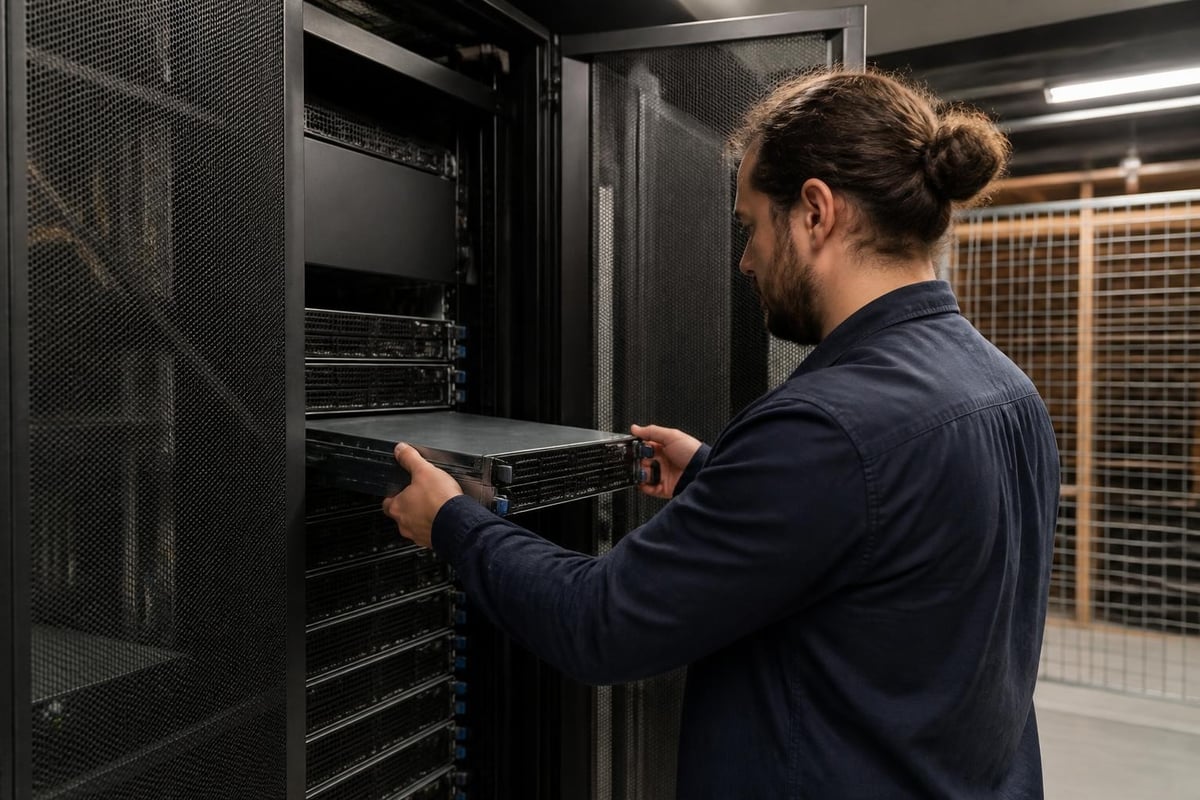
Mullvad operates over 800 servers across 70+ locations in 40 countries. Rather than relying exclusively on third-party data centers, they increasingly deploy owned hardware in colocation facilities, providing greater control over physical security and reducing trust dependencies.
This infrastructure ownership matters for threat modeling. When VPN providers rent virtual servers from cloud hosts, the hosting company potentially has access to memory contents, storage, and network traffic. Physical server ownership eliminates this third-party access vector.
Server Selection Strategy
Not all server locations offer identical security properties. Understanding how to evaluate server choices helps optimize both privacy and performance:
- Owned vs. rented: Check server ownership status in the app
- RAM-only operation: Servers run entirely from memory without local storage
- Jurisdiction considerations: Swedish legal framework vs. alternative locations
- Network capacity: High-capacity nodes reduce congestion during peak hours
Independent testing provides objective performance data. AV-TEST's comparative VPN analysis evaluated Mullvad alongside major competitors across connection speed, latency, and reliability metrics, offering third-party validation beyond provider claims.
Privacy Policy and No-Logs Commitment
The no-logs promise represents the cornerstone of VPN privacy claims, yet definitions vary dramatically between providers. Some collect connection timestamps, bandwidth usage, or originating IP addresses while still claiming "no-logs" status by arguing they don't record browsing destinations.
Mullvad's policy is unambiguous: they collect no traffic data, no connection logs, no DNS queries, and no metadata that could identify users or reconstruct activity patterns. The account number alone provides insufficient information to link VPN usage to specific individuals.
This commitment has practical implications. When Swedish authorities served legal requests for user data, Mullvad provided only what exists in their systems-confirmation that an account number is active. No timestamps, no IP addresses, no usage patterns that could identify users or their activities. Understanding these protections helps users appreciate why no-logs policies form the foundation of VPN privacy.
Warrant Canary and Transparency Reporting
Mullvad publishes transparency reports detailing legal requests received and their responses. This practice, while not universal among VPN providers, demonstrates accountability and helps users understand jurisdictional risks.
They previously maintained a warrant canary-a regularly updated statement confirming they haven't received certain types of secret legal orders. While this practice has limitations (governments can prohibit disclosure of canary removal), it adds another transparency layer.
Pricing Structure and Service Limitations
Mullvad uses flat-rate pricing: €5 per month regardless of subscription length. This contrasts sharply with competitors offering steep discounts for annual or multi-year commitments. The approach sacrifices revenue optimization for simplicity and fairness.
No promotional pricing means no pressure to lock in long-term contracts before fully evaluating the service. Every user pays the same rate whether subscribing for one month or twelve, eliminating the psychological manipulation of artificial urgency.
What Mullvad Doesn't Offer
Understanding limitations helps set appropriate expectations:
- No streaming optimization: Netflix and similar services frequently block Mullvad IPs
- Limited device count: Five simultaneous connections maximum
- No phone support: Email and web form only for customer service
- Basic application interface: Functional but minimalist compared to feature-rich competitors
These constraints reflect deliberate design choices prioritizing security and privacy over market share growth. Users seeking optimized streaming access or unlimited device connections may find better fits elsewhere. For broader context on private internet security, additional resources explore implementation approaches across different use cases.
Integration with Tor and Privacy Tools
Mullvad collaborates with the Tor Project to develop Mullvad Browser, a privacy-hardened browser based on Tor Browser but configured to route traffic through Mullvad VPN instead of the Tor network. This provides strong fingerprinting resistance without Tor's significant speed penalty.
The combination of VPN and Tor requires careful configuration. The Tor Project's FAQ on VPN usage explains architectural considerations, including whether to connect to Tor through your VPN or vice versa. Each configuration offers different threat model protections and operational tradeoffs.
| Configuration | Privacy Benefit | Performance Impact | Use Case |
|---|---|---|---|
| VPN → Tor | Hides Tor usage from ISP | Highest latency | Censorship circumvention |
| Tor → VPN | Protects exit node identity | High latency | Accessing geo-restricted content |
| VPN only | Fastest performance | Minimal overhead | General privacy protection |
| Tor only | Maximum anonymity | Moderate latency | Anonymous publishing |
Accessibility and Blocking Considerations
Academic research provides objective data on real-world VPN performance. A TU Delft study measured website accessibility when using Mullvad, documenting which major platforms successfully detect and block VPN traffic.
Results showed that streaming services, financial institutions, and some government portals implement VPN detection with varying effectiveness. While this blocking affects all VPN providers to some degree, Mullvad's priority on privacy over obfuscation means they invest less in circumvention technologies than services specifically optimized for accessing blocked content.
Technical Blocking Mechanisms
Understanding why blocking occurs helps users troubleshoot connectivity issues:
- IP reputation databases: Commercial lists of known VPN server addresses
- DNS leak detection: Services check if DNS queries match VPN exit location
- WebRTC leaks: Browser features can expose local IP addresses despite VPN connection
- Traffic pattern analysis: Deep packet inspection identifies VPN protocol signatures
For users frequently encountering blocks, guidance from privacy-focused communities offers configuration recommendations and alternative approaches to specific access challenges.

Evaluating VPN Providers Against Privacy Criteria
The EFF's guidance on choosing VPNs establishes evaluation criteria that help users assess provider claims objectively. Key questions include:
- What data is collected and why? Distinguish operational necessity from revenue opportunities
- Where is the company legally incorporated? Jurisdiction determines legal obligations and government access
- Has the no-logs policy been tested? Court cases and law enforcement requests provide real-world validation
- Are third-party audits commissioned regularly? Annual assessments demonstrate ongoing commitment
- Is the codebase open source? Transparency enables independent security verification
Mullvad scores exceptionally well across these criteria, though its streaming limitations and basic feature set mean users must prioritize privacy over convenience. Those evaluating different VPN pricing models should consider how cost structures reflect underlying business incentives and privacy commitments.
Technical Implementation and Security Features
Beyond marketing claims, technical implementation determines actual security. Mullvad employs several mechanisms that demonstrate sophisticated security engineering:
Perfect Forward Secrecy: Encryption keys rotate regularly, ensuring that compromising current keys doesn't expose past communications. Even if an attacker obtains today's keys, yesterday's traffic remains protected.
DNS leak protection: Mullvad operates its own DNS servers rather than relying on third-party resolvers, preventing DNS queries from bypassing the VPN tunnel and revealing browsing destinations.
Kill switch functionality: Network traffic is blocked entirely if the VPN connection drops, preventing accidental exposure of your real IP address during connection interruptions.
IPv6 leak prevention: Mullvad blocks IPv6 traffic by default rather than attempting to route it through the VPN, eliminating a common source of privacy leaks.
Split Tunneling and Application Control
Advanced users can configure which applications route through the VPN while allowing others to connect directly. This split tunneling enables selective privacy protection, though it requires careful configuration to avoid unintended leaks.
Common split tunneling scenarios include:
- Local services: Keep smart home devices on local network while protecting browsing
- Banking applications: Route financial apps directly to avoid fraud detection triggers
- Streaming optimization: Exclude streaming apps from VPN to avoid geographic restrictions
- Performance-sensitive applications: Direct connection for video conferencing or online gaming
Comparing Mullvad to Privacy-Focused Alternatives
The VPN market includes hundreds of providers, but few prioritize privacy as fundamentally as Mullvad. Comparing against similar privacy-focused services reveals trade-offs worth considering.
| Feature | Mullvad | IVPN | ProtonVPN | Windscribe |
|---|---|---|---|---|
| Anonymous accounts | Yes | Yes | Email required | Email required |
| Cash payments | Yes | Yes | No | No |
| Open source apps | Full | Full | Partial | Partial |
| Regular audits | Yes | Yes | Yes | No |
| Server ownership | Increasing | Partial | Partial | Minimal |
| Price/month | €5 | $6 | $10 | $9 |
Each provider makes different compromises. IVPN offers similar privacy principles with slightly more flexible pricing tiers. ProtonVPN integrates with an encrypted email ecosystem but requires account creation. Understanding these distinctions helps match services to specific threat models and requirements.
Mullvad's Position in the 2026 VPN Landscape
Privacy expectations have evolved significantly as surveillance capitalism and state monitoring expand. Users increasingly demand verifiable privacy rather than accepting marketing promises, driving providers toward greater transparency and accountability.
Mullvad's approach-prioritizing technical privacy over user acquisition, publishing audit results regardless of findings, and accepting operational complexity to preserve anonymity-represents one end of the VPN spectrum. They sacrifice market share growth and feature breadth to maintain uncompromising privacy standards.
This positioning serves specific user segments exceptionally well: privacy researchers, journalists in hostile environments, activists facing surveillance, and technically sophisticated users who understand threat modeling and prioritize verified privacy over convenience.
For users whose threat models don't require absolute anonymity, more feature-rich alternatives may better serve their needs. Those concerned about VPN vs incognito mode differences should understand that browser incognito modes provide minimal privacy protection compared to proper VPN implementations.
Server Performance and Connection Reliability
Real-world performance determines whether privacy tools remain practical for daily use. Mullvad's WireGuard implementation delivers strong performance across most server locations, though results vary based on geographic distance, server load, and local network conditions.
Connection speeds typically reach 85-95% of baseline bandwidth on nearby servers, degrading with distance as physical latency increases. Peak usage periods can congest popular locations, though Mullvad's capacity planning generally maintains acceptable performance.
Troubleshooting Common Connection Issues
When experiencing connectivity problems, systematic diagnosis identifies root causes:
- Test multiple servers: Performance varies between locations and protocol implementations
- Switch protocols: WireGuard and OpenVPN offer different performance characteristics
- Check for ISP throttling: Some networks specifically target VPN traffic
- Verify local firewall rules: Corporate and public networks may block VPN protocols
- Monitor server status: Mullvad publishes real-time server availability data
For users establishing their own infrastructure, guides covering OpenVPN server configuration provide complementary perspectives on protocol implementation and performance optimization.
Mullvad demonstrates that privacy-first VPN service remains viable in 2026's competitive market, proving that transparency, security audits, and uncompromising anonymity attract users willing to sacrifice convenience for verified privacy. Whether Mullvad's specific trade-offs match your requirements depends on your threat model and usage patterns. If you're seeking high-speed VPN access with strong encryption and proven privacy protections, ZioFree delivers enterprise-grade security with a global server network, no-logs commitment, and specialized protection against sophisticated threats while maintaining the performance you need for daily use.