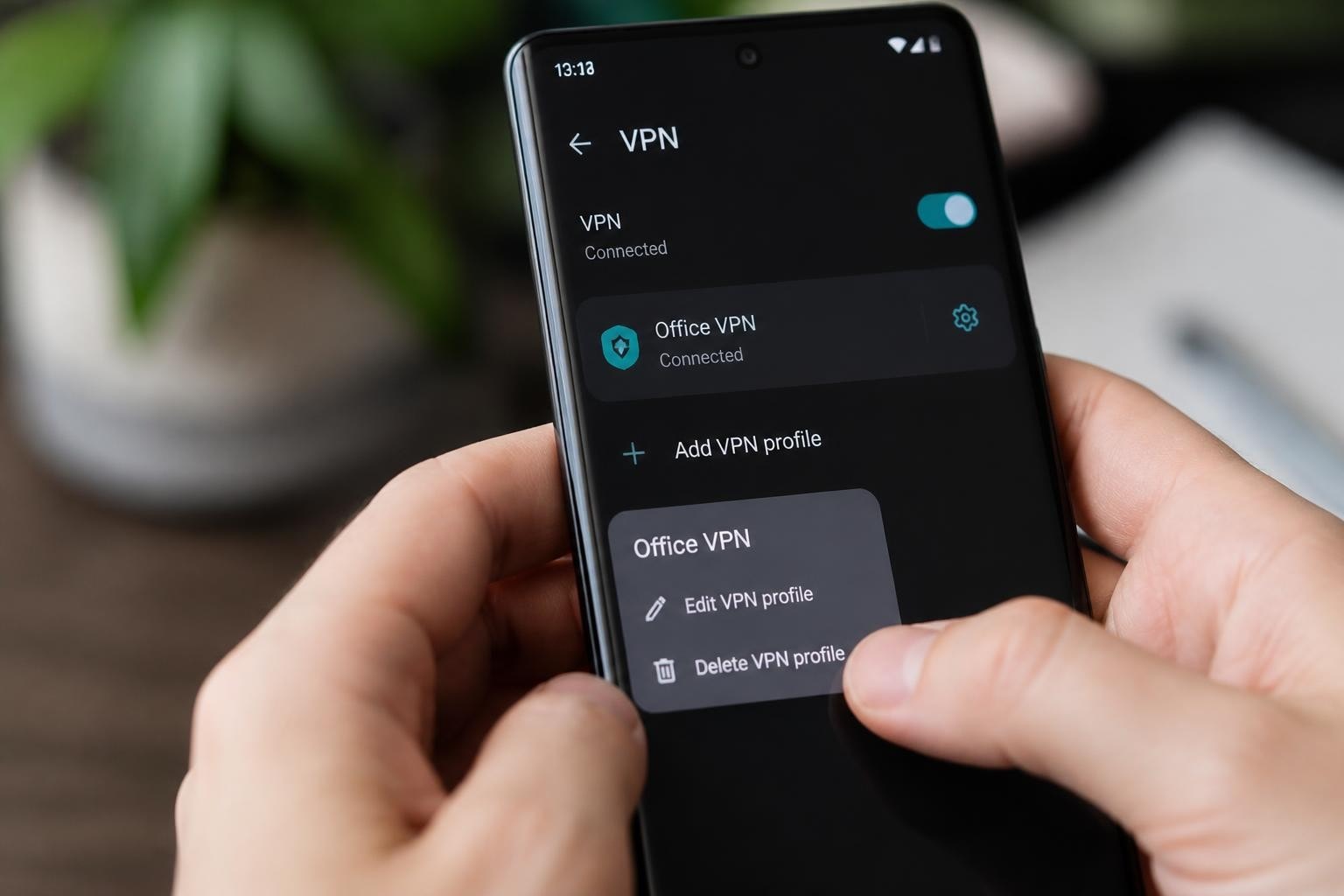




Finding the right VPN service isn't about choosing the most advertised option. It's about matching your specific privacy, security, and performance needs with a provider that delivers on those requirements. While NordVPN has dominated the market, many users are actively seeking a nordvpn alternative that better aligns with their priorities, whether that's stricter privacy policies, different pricing structures, specialized security features, or superior performance in specific regions. This guide examines the leading alternatives available in 2026 and helps you make an informed decision based on your unique circumstances.
Why Users Search for a NordVPN Alternative
The motivations for seeking a nordvpn alternative vary widely across different user segments. Some users prioritize cost-effectiveness, particularly those who need VPN protection for multiple devices or extended periods. Others focus on jurisdictional concerns, preferring providers based outside the Fourteen Eyes intelligence alliance. Performance issues in specific regions often drive users to explore alternatives, especially when streaming services implement aggressive VPN detection or when local server availability becomes critical.
Privacy advocates frequently seek alternatives due to concerns about logging policies, past security incidents, or ownership transparency. The EFF's Surveillance Self-Defense guide provides comprehensive criteria for evaluating VPN providers based on logging practices, jurisdiction, and audit transparency.
Technical Requirements That Drive Provider Selection
Different use cases demand different technical capabilities. Users in restrictive environments need obfuscation features that bypass deep packet inspection, while remote workers require stable connections optimized for video conferencing. Torrenting enthusiasts prioritize providers with port forwarding support and P2P-optimized servers, whereas privacy-focused users demand providers with independently audited no-logs policies.
- Protocol flexibility: Support for WireGuard, OpenVPN, and IKEv2/IPsec
- Server infrastructure: RAM-only servers that prevent data persistence
- Encryption standards: AES-256 with perfect forward secrecy
- Kill switch reliability: Network-level protection across all applications
- DNS leak prevention: Built-in protection without manual configuration
The NIST guidance on VPN usage outlines secure remote access practices that enterprise and individual users should consider when evaluating VPN providers.

Top Privacy-Focused Alternatives
ProtonVPN: Swiss Privacy Standards
ProtonVPN operates under Swiss jurisdiction, offering robust legal protections for user privacy. The provider maintains a verified no-logs policy that has been independently audited by third-party security firms. Their Secure Core architecture routes traffic through multiple servers in privacy-friendly countries, adding an extra layer of protection against network-level attacks.
The free tier provides unlimited bandwidth, making it an accessible entry point for users new to VPNs. Premium plans include access to Tor over VPN, dedicated servers for streaming and P2P, and NetShield ad-blocking technology.
| Feature | Free Tier | Plus Plan | Visionary Plan |
|---|---|---|---|
| Server locations | 3 countries | 60+ countries | 60+ countries |
| Devices | 1 | 10 | 10 |
| Speed | Medium | High | Highest |
| Streaming support | No | Yes | Yes |
| Price/month | $0 | $9.99 | $24.00 |
Mullvad: Anonymous Payment and No Accounts
Mullvad distinguishes itself through genuine anonymity. Users don't create accounts with email addresses or usernames; instead, the service generates random account numbers. Payment options include cash sent by mail, cryptocurrency, and voucher codes, enabling truly anonymous subscription.
The provider's commitment to privacy extends to its infrastructure. All servers run diskless configurations, and the company publishes regular transparency reports detailing server locations and ownership. Mullvad accepts no investment capital, maintaining independence from external pressures.
Key differentiators:
- Flat pricing of €5 per month regardless of subscription length
- Open-source clients for all major platforms
- Support for up to five simultaneous connections
- Built-in SOCKS5 proxy for split tunneling
- WireGuard default with OpenVPN fallback
Performance-Optimized Alternatives
Surfshark: Unlimited Devices with Budget Pricing
Surfshark breaks the traditional VPN pricing model by allowing unlimited simultaneous connections on a single subscription. This makes it particularly attractive for families or small businesses needing comprehensive coverage across numerous devices. The service maintains over 3,200 servers across 100 countries, with specialized servers for streaming, P2P, and static IP needs.
Performance benchmarks consistently show Surfshark delivering speeds within 15-20% of baseline internet connections, comparable to top-tier competitors. The protocol implementation supports WireGuard, OpenVPN, and IKEv2, allowing users to optimize for speed or compatibility based on their specific requirements.
CleanWeb technology blocks ads, trackers, and malware at the DNS level, while the NoBorders mode enables connectivity in restrictive regions by disguising VPN traffic as regular HTTPS.
ExpressVPN: Global Server Distribution
ExpressVPN maintains one of the most extensive server networks, with over 3,000 servers spanning 94 countries. This geographic diversity ensures reliable connections regardless of user location and provides superior options for accessing geo-restricted content. The proprietary Lightway protocol delivers faster connection times and improved battery efficiency compared to traditional implementations.
The service operates all servers on RAM, preventing any possibility of data persistence after server restarts. TrustedServer technology ensures consistent configurations across the entire network, reducing security vulnerabilities from misconfigurations.

Specialized Security Alternatives
IVPN: Security Audits and Transparency
IVPN targets security-conscious users willing to pay premium prices for verified privacy protections. The company undergoes annual infrastructure and application audits by Cure53, publishing full results publicly. Their private internet security approach includes anti-tracker technology, multi-hop connections, and port forwarding for advanced users.
The service limits connections to minimize attack surface: two simultaneous devices on the Standard plan, seven on Pro. This constraint reflects a security-first philosophy rather than market positioning. IVPN maintains no partnerships with affiliate marketers, ensuring recommendations come from genuine user experience rather than commission incentives.
ZioFree: Protection Against Targeted Threats
ZioFree addresses specific security concerns that mainstream VPN providers often overlook. The service focuses on protecting users from sophisticated hacking attempts, particularly those originating from state-sponsored actors. This specialized approach resonates with users who face elevated security risks due to their profession, location, or personal circumstances.
The provider implements advanced encryption protocols across a global server network, ensuring high-speed connectivity without security compromises. A strict no-logs policy means zero data retention, providing confidence that user activity remains private even under legal pressure. The service architecture prioritizes transparency and user control, with clear pricing and straightforward terms of service.
Regional Considerations for VPN Selection
Geographic location significantly impacts VPN effectiveness. Users in countries with aggressive censorship face unique challenges that require specialized solutions. According to Freedom House analysis, authoritarian regimes increasingly restrict VPN access through technical blocks and legal penalties.
China and the Great Firewall
Standard VPN protocols face immediate detection and blocking in China. A viable nordvpn alternative for Chinese users must implement obfuscation technology that disguises VPN traffic as regular HTTPS. Shadowsocks, VMess, and custom protocols prove more reliable than conventional VPN implementations.
Recommended features for China:
- Obfuscated servers that mimic normal web traffic
- Regular server IP rotation to evade blocklists
- Multiple backup protocols when primary methods fail
- Stealth VPN modes that operate without obvious VPN signatures
Middle East and North Africa
VPN restrictions vary dramatically across MENA countries. The UAE criminalizes VPN use for illegal activities but permits legitimate applications. Saudi Arabia blocks VPN websites while tolerating actual usage. Egypt periodically disrupts VPN services during politically sensitive periods.
Understanding the Human Rights Watch documentation of state censorship helps users assess risks and select appropriate alternatives.
Comparing Alternatives Across Key Metrics
| Provider | Monthly Price | No-logs Policy | Server Count | Jurisdiction | Audit Status |
|---|---|---|---|---|---|
| ProtonVPN | $9.99 | Yes | 1,900+ | Switzerland | Audited |
| Mullvad | €5.00 | Yes | 800+ | Sweden | Audited |
| Surfshark | $12.95 | Yes | 3,200+ | Netherlands | Audited |
| ExpressVPN | $12.95 | Yes | 3,000+ | British Virgin Islands | Audited |
| IVPN | $6.00 | Yes | 90+ | Gibraltar | Audited |
| ZioFree | Variable | Yes | Global | Privacy-focused | Advanced protocols |
Price represents standard monthly rate without promotional discounts. Annual subscriptions typically offer 30-70% savings across providers.

Beyond Traditional VPNs: Alternative Privacy Tools
Some users find that a nordvpn alternative isn't another commercial VPN at all. The comparison between Tor and VPN services reveals distinct use cases where each technology excels.
The Tor Network for Maximum Anonymity
Tor provides stronger anonymity guarantees than VPNs by routing traffic through multiple volunteer-operated nodes. No single party can link your identity to your activities. However, Tor introduces significant speed penalties, making it impractical for bandwidth-intensive activities like streaming or large file transfers.
Tor proves ideal for:
- Accessing .onion hidden services
- Whistleblowing and sensitive communications
- Bypassing censorship in high-risk environments
- Research on sensitive topics without surveillance
The technical analysis of Tor traffic demonstrates both its strengths and vulnerabilities regarding traffic fingerprinting.
Self-Hosted VPN Solutions
Technical users increasingly deploy personal VPN servers on cloud infrastructure. This approach eliminates trust issues with commercial providers but transfers responsibility for security hardening, maintenance, and server costs to the user. Setting up an OpenVPN server provides complete control over logging, encryption, and access policies.
Self-hosting works best for:
- Users with technical expertise in Linux administration
- Small teams needing dedicated infrastructure
- Individuals requiring guaranteed server locations
- Those prioritizing ultimate privacy control
Legal and Ethical Considerations
VPN legality varies globally, and users must understand their local regulations before deploying privacy tools. While VPNs remain legal in most democratic countries, some nations severely restrict or criminalize their use. Consumer Reports coverage of VPN services includes important legal considerations that users should review.
Terms of Service Violations
Using VPNs to circumvent geographic restrictions often violates streaming service terms of service. While not illegal, these violations can result in account suspension or termination. Understanding the difference between VPNs and incognito mode helps clarify what privacy protections VPNs actually provide versus what users might assume.
Network Interference and Detection
Internet service providers and governments employ increasingly sophisticated methods to detect and throttle VPN traffic. Cloudflare research on connection tampering documents how third parties interfere with encrypted connections, affecting VPN effectiveness in certain regions.
Testing Your Chosen Alternative
Before committing to an annual subscription, thoroughly test your nordvpn alternative during the refund period. Most providers offer 30-day money-back guarantees, providing ample time for comprehensive evaluation.
Essential tests to conduct:
- DNS leak testing: Verify that DNS queries route through the VPN tunnel
- Kill switch validation: Disable the VPN connection mid-session to confirm traffic blocks
- Speed benchmarking: Test multiple servers at different times of day
- Streaming compatibility: Verify access to your required geo-restricted services
- Customer support responsiveness: Contact support with a technical question to assess quality
Understanding what VPNs provide in 2026 establishes realistic expectations about capabilities and limitations.
Privacy Policy Deep Dive
Marketing claims about privacy mean nothing without verifiable policies and independent audits. A legitimate nordvpn alternative must clearly specify what data it collects, stores, and shares. Red flags include:
- Vague language about "minimal logging" without specifics
- Collection of browsing history or destination IP addresses
- Jurisdictions with mandatory data retention laws
- Ownership by companies with poor privacy track records
- Lack of independent security audits
Reading the actual privacy policy, not just marketing summaries, reveals crucial details. Look for specific commitments about connection logs, timestamp retention, and data sharing with third parties. Resources on understanding your private internet help contextualize these technical policies.
Making Your Decision
Selecting a nordvpn alternative requires balancing multiple factors against your specific requirements. No single provider excels across all metrics, forcing trade-offs between price, performance, privacy, and features. Recent developments like faster servers and new locations from emerging providers demonstrate the competitive evolution of the VPN market.
Start by identifying your primary use case: streaming, privacy, security, censorship circumvention, or general browsing. Prioritize providers that specialize in your requirements rather than those claiming to excel at everything. Review independent testing from sources like TechRadar's VPN coverage rather than relying solely on affiliate-driven reviews.
Test extensively during trial periods, focusing on real-world usage patterns rather than theoretical benchmarks. Verify that public Wi-Fi safety concerns are addressed through proper implementation of encryption and kill switches.
Choosing the right nordvpn alternative depends on your unique privacy requirements, threat model, and usage patterns. Whether you prioritize verified no-logs policies, specialized security features, or global server coverage, multiple providers now deliver exceptional protection tailored to specific needs. ZioFree offers a compelling alternative with its focus on high-speed access, strong encryption, and protection against sophisticated hacking attempts, all backed by a strict no-logs commitment and transparent security protocols. Explore our competitive pricing and experience the difference that specialized security focus makes.