




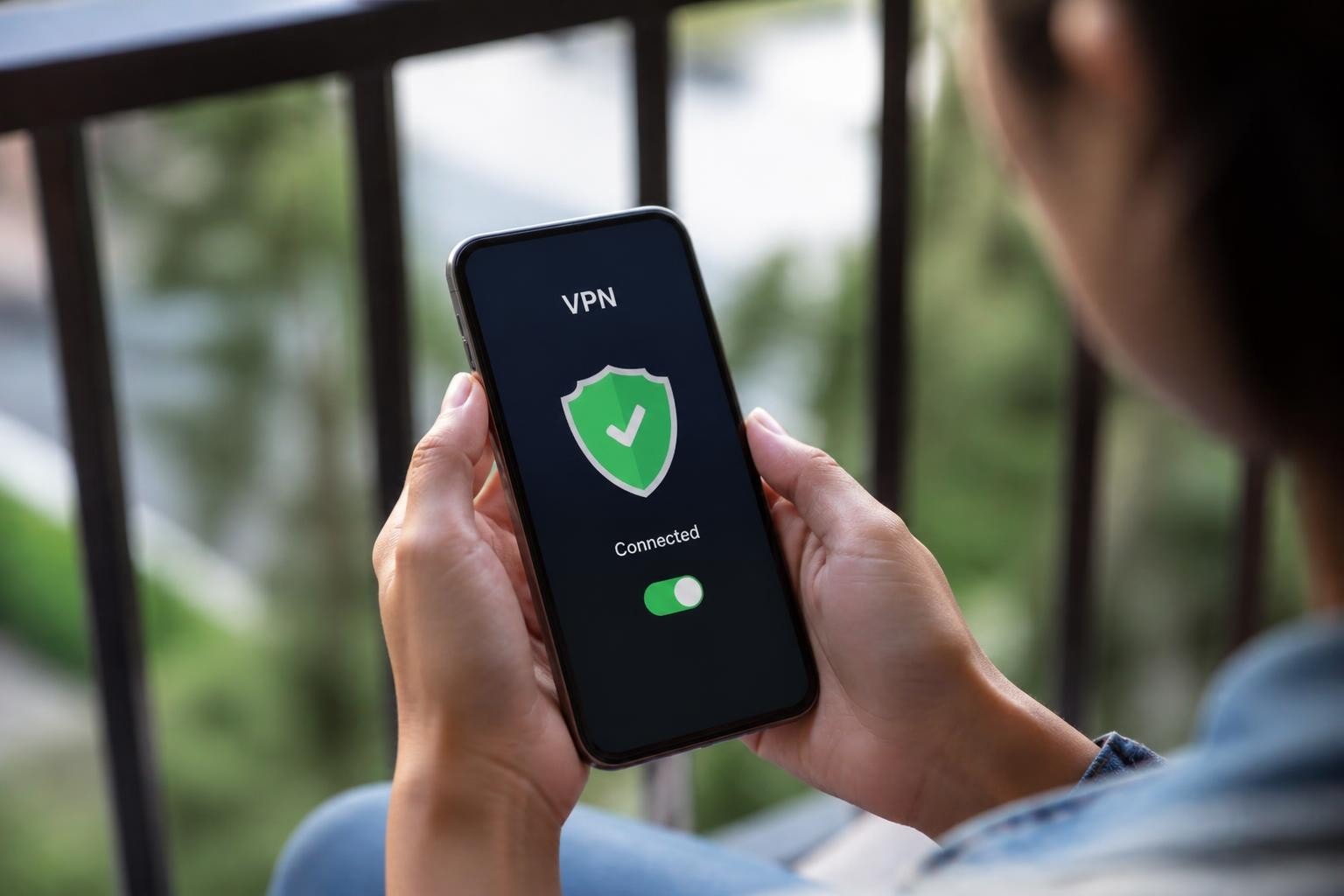
Selecting the best Android VPN software requires careful evaluation of security protocols, privacy policies, and performance metrics. With Android devices representing over 70% of the global smartphone market in 2026, mobile privacy has never been more critical. Sophisticated tracking, data harvesting, and nation-state surveillance threaten personal information daily. This guide examines the essential features, protocols, and security considerations that define premium Android VPN solutions, helping you make an informed decision about protecting your mobile privacy.
Essential Security Features for Android VPN Applications
The foundation of any best Android VPN software lies in its security architecture. Modern VPN applications must implement robust encryption standards, typically AES-256, which remains the gold standard for data protection. This military-grade encryption ensures that even if your traffic is intercepted, it remains completely unreadable to adversaries.
Protocol selection significantly impacts both security and performance. The WireGuard protocol has emerged as the leading choice for mobile applications, offering superior speed and modern cryptographic primitives compared to legacy options. OpenVPN remains widely supported for its proven track record, while IKEv2/IPsec provides excellent connection stability during network transitions, making it ideal for mobile users switching between Wi-Fi and cellular networks.
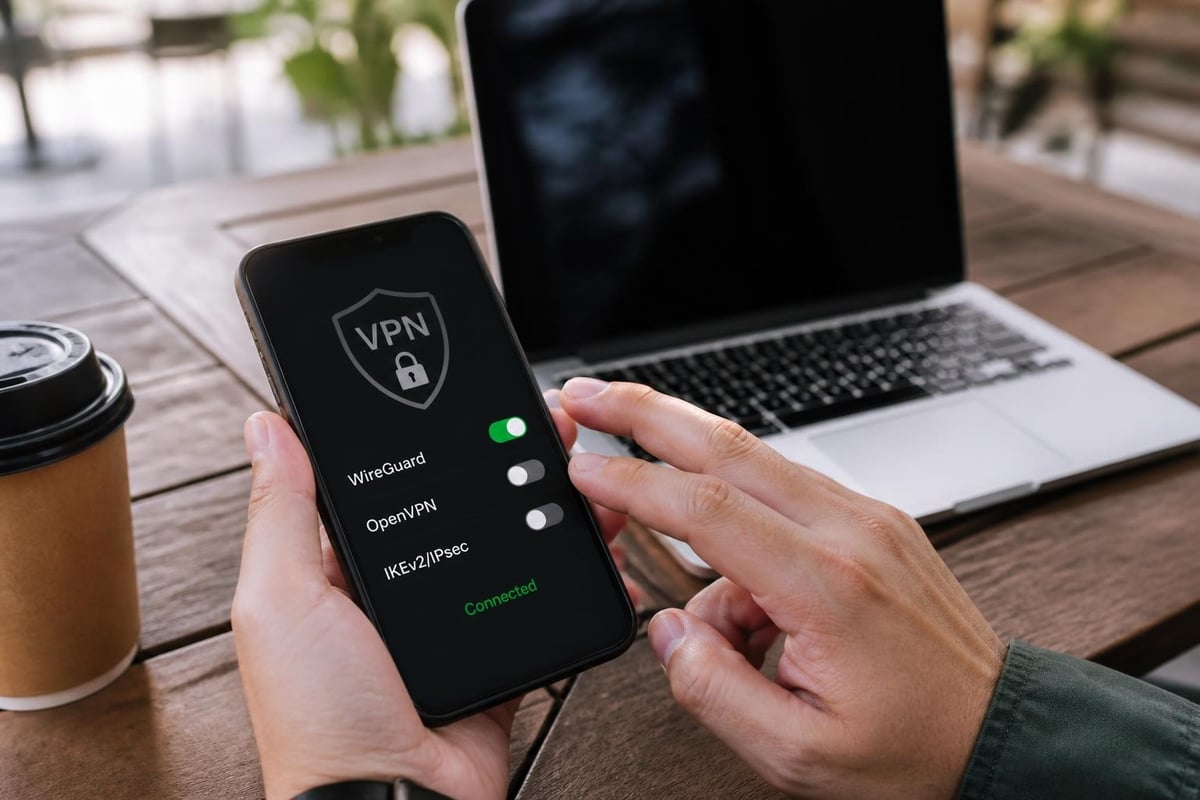
Kill switch functionality represents a critical safety feature that prevents data leakage if your VPN connection drops unexpectedly. The best Android VPN software implements this at the system level, ensuring no unencrypted traffic escapes even during brief disconnections. According to Android's VpnService documentation, implementing reliable kill switches requires careful integration with Android's networking stack.
Privacy Protection and No-Logs Policies
A comprehensive no-logs policy distinguishes trustworthy providers from those that compromise user privacy. The best Android VPN software maintains strict data minimization practices, collecting only essential information required for service operation. Independent audits verify these claims, providing transparency that builds user confidence.
Key privacy considerations include:
- Jurisdiction and legal framework governing the provider
- Data retention requirements in the provider's country
- Third-party audit frequency and scope
- Transparency reports detailing government requests
- Anonymous payment options supporting privacy
Research from NDSS symposium studies reveals that many Android VPN applications fail basic privacy tests, leaking DNS queries, IPv6 traffic, or containing embedded tracking libraries. Rigorous evaluation of your chosen provider's privacy practices protects against these common vulnerabilities.
Performance Metrics That Matter for Mobile VPN Users
Speed and latency directly impact the usability of Android VPN software. The best solutions maintain connection speeds within 10-20% of your baseline internet performance, achieving this through strategic server placement and optimized routing. Server infrastructure quality matters significantly, with providers operating their own hardware typically delivering superior performance compared to those using rented infrastructure.
Battery consumption presents a unique challenge for mobile VPN applications. Continuous encryption and network management drain device resources, making efficiency critical for all-day protection. Modern implementations using WireGuard demonstrate substantially lower battery impact compared to older protocols, often reducing power consumption by 40-50% while maintaining equivalent security levels.
| Performance Factor | Excellent | Good | Acceptable | Poor |
|---|---|---|---|---|
| Speed Loss | <15% | 15-25% | 25-40% | >40% |
| Connection Time | <2s | 2-5s | 5-10s | >10s |
| Battery Impact | <5%/hour | 5-8%/hour | 8-12%/hour | >12%/hour |
| Reconnection Speed | <1s | 1-3s | 3-7s | >7s |
Network switching capabilities determine how well your VPN handles transitions between Wi-Fi and mobile data. The best Android VPN software maintains persistent connections during these changes, preventing brief periods of unprotected traffic. Studies examining user preferences for mobile VPN switching highlight this feature as a top priority for Android users.
Server Network Coverage and Geographic Distribution
Global server coverage enables access to region-specific content while providing redundancy and load balancing. The best Android VPN software offers servers across at least 50 countries, with multiple locations in high-demand regions. This distribution ensures you can always find a nearby server for optimal performance while maintaining options for accessing geo-restricted content.
Server specialization adds valuable functionality beyond basic privacy protection. Specialized server types include:
- Streaming-optimized servers configured to bypass geo-restrictions on entertainment platforms
- P2P-friendly servers located in jurisdictions permitting file sharing
- Double-VPN servers routing traffic through two locations for enhanced anonymity
- Obfuscated servers disguising VPN traffic to bypass network restrictions
- Static IP servers providing consistent addresses for specific use cases
Transparency regarding server ownership and operation builds trust. Providers using virtual locations or third-party data centers should disclose these arrangements, as they may impact privacy guarantees. ZioFree maintains a completely independent infrastructure with no connections to Israeli data centers, eliminating potential surveillance risks from that jurisdiction.
Security Audits and Transparency Standards
Third-party security audits validate claims made by VPN providers, offering independent verification of security implementations and privacy practices. The best Android VPN software undergoes annual audits from reputable cybersecurity firms, with results published publicly. These assessments examine everything from application code to infrastructure configuration and operational procedures.
CISA guidance on modern network access security emphasizes the importance of verified security controls when evaluating VPN solutions. Organizations increasingly require documented evidence of security practices, making audit reports essential for both personal and professional use cases.
Transparency extends beyond security audits to encompass operational practices. Providers should publish regular transparency reports detailing government requests, legal demands, and how they respond to such inquiries. This openness demonstrates commitment to user privacy and helps users understand real-world privacy protections.
Open Source vs. Proprietary Software Considerations
Open source VPN clients allow independent security researchers to examine code for vulnerabilities or backdoors. This transparency builds trust and enables rapid identification of security issues. However, proprietary solutions can also achieve high security standards through rigorous auditing and responsible development practices.
The choice between open and closed source depends on your threat model and trust preferences. Open source solutions provide verifiable security but may lack polish or advanced features. Proprietary applications often deliver superior user experience and functionality while requiring greater trust in the provider's security claims.
User Interface Design and Ease of Use
Intuitive design makes security accessible to non-technical users, crucial for achieving widespread privacy protection. The best Android VPN software balances powerful features with straightforward operation, allowing one-tap connections while exposing advanced controls for power users. Material Design compliance ensures consistency with Android's interface guidelines, creating familiar interaction patterns.
Essential usability features include:
- Quick connect to optimal servers with single tap
- Favorite server lists for frequently used locations
- Split tunneling to exclude specific apps from VPN
- Connection status indicators visible from notifications
- Widget support for home screen quick access
- Dark mode for comfortable nighttime use
Configuration complexity should scale with user expertise. Beginners benefit from smart defaults that provide strong security without requiring technical knowledge, while advanced users need granular control over protocols, DNS settings, and connection parameters. Research analyzing Android VPN user behavior and preferences demonstrates that ease of use ranks second only to privacy in importance for mobile VPN selection.
Evaluating Free vs. Premium Android VPN Solutions
Free VPN applications often compromise user privacy to sustain operations, with investigative research on Android VPN security revealing widespread tracking, data harvesting, and inadequate security implementations. Many free providers inject advertising, limit bandwidth, or maintain extensive logs that contradict privacy claims.
Common limitations of free VPN services:
| Limitation | Impact | Alternative Solution |
|---|---|---|
| Data caps | Prevents normal usage patterns | Affordable premium options |
| Speed throttling | Degrades performance significantly | Fast VPN service providers |
| Limited servers | Overcrowding reduces speeds | Extensive server networks |
| Privacy compromises | Data harvesting for revenue | Verified no-logs policies |
| Weak encryption | Insufficient protection | Military-grade encryption standards |
Premium VPN services deliver comprehensive protection through sustainable business models based on subscription revenue rather than data monetization. The investment typically ranges from $3-12 monthly, depending on commitment length and features. This cost represents reasonable insurance for protecting sensitive personal information from increasingly sophisticated threats.
ZioFree offers competitive pricing that balances affordability with robust security, providing high-speed access without compromising privacy. The company's strict no-logs policy and advanced encryption protocols deliver enterprise-grade protection at consumer-friendly prices.
Platform-Specific Android VPN Considerations
Android's permission model requires careful evaluation when installing VPN applications. The best Android VPN software requests only essential permissions necessary for VPN operation, avoiding invasive access to contacts, media, or other sensitive data. Following OWASP mobile security guidance, users should scrutinize permission requests and reject applications demanding unnecessary access.
Android version compatibility affects available security features and implementation quality. Modern Android versions (10+) provide enhanced VPN controls and privacy protections, while older versions may limit security capabilities. The best Android VPN software supports recent Android releases while maintaining backward compatibility for devices unable to upgrade.
Android-specific features to prioritize:
- Always-on VPN with lockdown mode preventing unencrypted connections
- Per-app VPN configuration for selective protection
- Integration with Android's network security configuration
- Support for Android's Private DNS over TLS
- Compatibility with enterprise mobility management systems
Split tunneling functionality allows selective routing, enabling local network access while protecting internet traffic. This proves particularly valuable for accessing network printers, smart home devices, or local services while maintaining VPN protection for sensitive activities.
Advanced Security Features for Enhanced Protection
Multi-hop VPN routing adds an additional privacy layer by routing traffic through multiple server locations before reaching its destination. While this increases latency, it provides enhanced anonymity by making traffic correlation significantly more difficult. The best Android VPN software offers this feature for users with elevated privacy requirements.
DNS leak protection ensures that domain name queries travel through the encrypted VPN tunnel rather than your default DNS servers. Leaking DNS queries compromises privacy by revealing websites you visit even when other traffic remains encrypted. Comprehensive protection includes IPv6 leak prevention, as many networks now support this newer protocol.
Obfuscation technologies disguise VPN traffic as regular HTTPS connections, bypassing deep packet inspection systems that block VPN usage. This capability proves essential in restrictive network environments or countries that actively filter VPN traffic. Advanced implementations use multiple obfuscation techniques to defeat sophisticated detection methods.
Real-World Use Cases and Threat Models
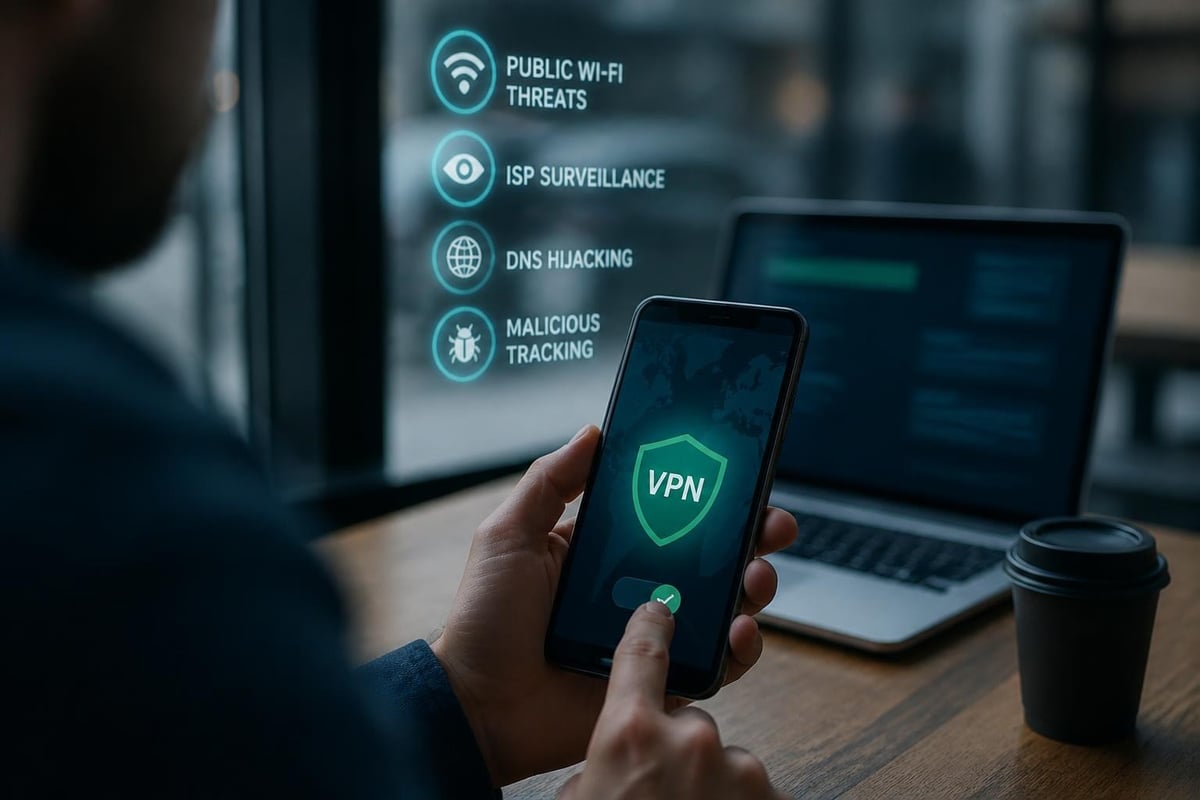
Public Wi-Fi security represents the most common VPN use case for Android users. Unsecured networks in cafes, airports, and hotels expose unencrypted traffic to interception by anyone within radio range. The best Android VPN software activates automatically on untrusted networks, protecting credentials, financial information, and private communications without requiring manual intervention.
CISA's guide to securing remote access emphasizes VPN protection when accessing corporate resources from mobile devices. Enterprise users require solutions supporting compliance requirements and integration with organizational security policies while maintaining user-friendly operation.
Privacy-conscious users face evolving surveillance threats from internet service providers, advertising networks, and nation-state actors. Comprehensive protection requires VPN software that prevents tracking across multiple vectors, including IP address exposure, DNS queries, and traffic analysis. The best solutions combine technical safeguards with transparent operational practices verified through independent audits.
Maintaining VPN Security Over Time
Regular application updates address newly discovered vulnerabilities and improve security implementations. The best Android VPN software maintains active development with frequent updates, demonstrating ongoing commitment to user protection. Automatic update mechanisms ensure users benefit from security patches without requiring manual intervention.
Monitoring connection integrity helps identify potential issues before they compromise security. Applications should provide detailed connection logs, diagnostic tools, and alert mechanisms for unusual activity. Users benefit from understanding normal VPN behavior to recognize anomalies that might indicate problems.
Security maintenance best practices include:
- Enable automatic updates for VPN applications
- Periodically verify VPN connection through leak tests
- Review privacy policies for changes to data practices
- Monitor provider transparency reports and security announcements
- Evaluate alternative providers annually to ensure competitive offerings
Threat landscapes evolve continuously, requiring adaptive security strategies. What constitutes the best Android VPN software today may need reassessment as new vulnerabilities emerge or providers change practices. Staying informed about security developments and provider reputations protects against complacency that could compromise privacy.
Integration with Other Privacy Tools
Comprehensive privacy protection extends beyond VPN usage to encompass secure messaging, encrypted email, and privacy-focused browsing. The best Android VPN software complements these tools without creating conflicts or redundant protection layers. Understanding how different privacy technologies interact ensures optimal security without unnecessary complexity.
Browser integration deserves special consideration, as many users access sensitive content through mobile browsers. VPN protection secures the transport layer while browser configurations address tracking cookies, fingerprinting, and other browser-based privacy threats. Combining VPN protection with privacy-focused browsers like Firefox or Brave creates robust defense against tracking.
Password manager integration streamlines secure access to accounts while traveling or using public networks. VPN protection ensures that synchronization traffic between your device and password vaults remains encrypted, preventing interception of master passwords or credential databases during transmission.
Choosing the best Android VPN software requires evaluating security features, performance metrics, privacy policies, and usability considerations in the context of your specific needs and threat model. Whether protecting sensitive business communications, accessing geo-restricted content, or simply maintaining privacy on public networks, the right VPN solution provides essential protection against modern digital threats. ZioFree delivers comprehensive Android VPN protection with high-speed global servers, military-grade encryption, and a verified no-logs policy, all while maintaining complete independence from Israeli surveillance infrastructure. Protect your mobile privacy today with a solution designed for the security challenges of 2026.


