



Online privacy and security have become critical concerns for individuals and organizations in 2026. As cyber threats evolve and surveillance capabilities expand, virtual private networks serve as essential tools for protecting digital communications. Understanding how these technologies work, their limitations, and best practices for implementation helps users make informed decisions about their online security posture.
Understanding VPN Architecture and Functionality
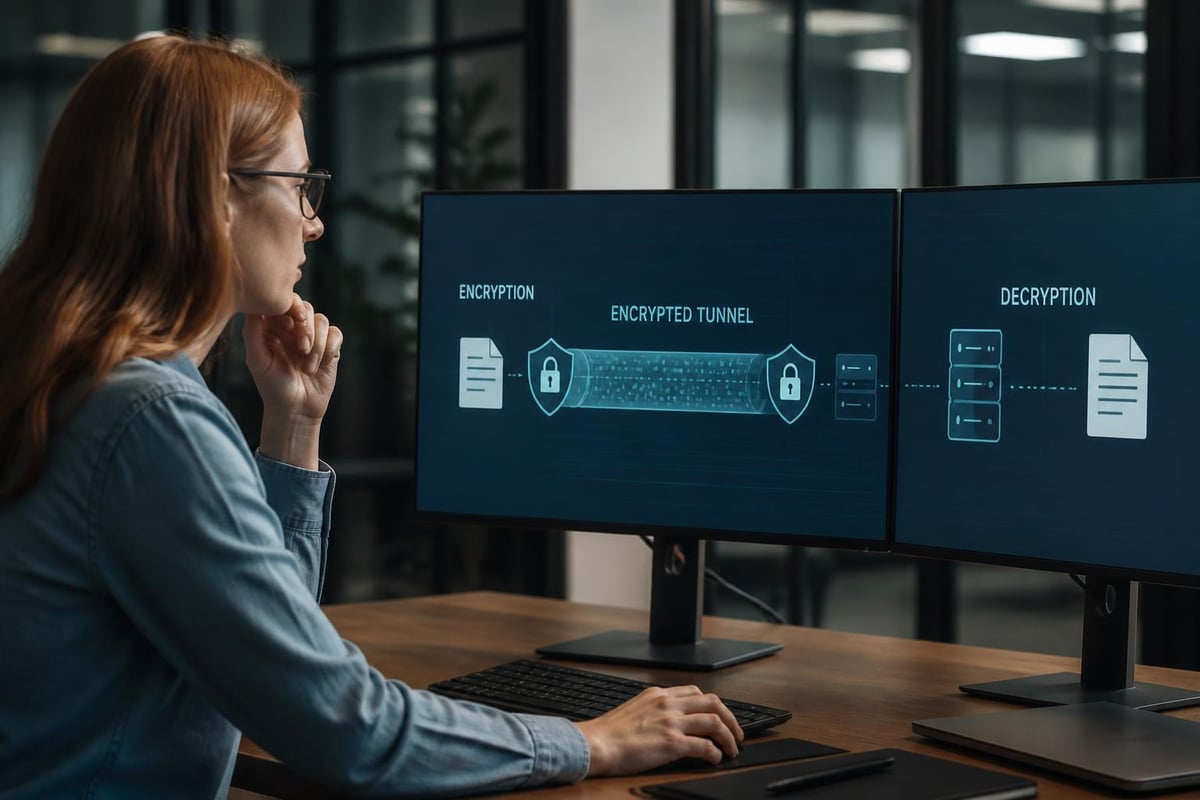
A virtual private network creates an encrypted tunnel between your device and a remote server, masking your internet traffic from third-party observers. This fundamental architecture provides both privacy and security benefits that extend far beyond simple IP address masking.
When you connect to a VPN service, your device establishes a secure connection using sophisticated cryptographic protocols. All data traveling between your device and the server remains encrypted, preventing internet service providers, network administrators, and potential attackers from viewing your online activities. The technical architecture of IPsec VPNs defines standards that many modern implementations follow.
Core Components of VPN Systems
Every VPN system relies on several critical components working together:
- Client software that manages connections and encrypts data before transmission
- VPN servers strategically positioned across global networks
- Encryption protocols that protect data confidentiality and integrity
- Authentication systems verifying user identity and access rights
- Routing mechanisms directing traffic through the secure tunnel
The effectiveness of these components depends heavily on proper configuration and maintenance. Organizations must balance security requirements with performance needs when deploying VPN infrastructure.
Encryption Protocols and Security Standards
Modern VPN implementations support multiple protocols, each offering different balances of security, speed, and compatibility. Protocol selection significantly impacts both security posture and user experience.
Protocol Comparison
| Protocol | Encryption Strength | Speed | Best Use Case |
|---|---|---|---|
| WireGuard | ChaCha20 (modern) | Excellent | General purpose, mobile |
| IKEv2/IPsec | AES-256 | Very Good | Mobile connections, quick reconnection |
| OpenVPN | AES-256 | Good | Maximum compatibility, diverse environments |
| SSL/TLS VPN | AES-256 | Good | Browser-based access, remote workers |
The WireGuard protocol represents a modern approach to VPN design, utilizing contemporary cryptographic primitives while maintaining exceptional performance. Its lean codebase reduces potential attack surfaces compared to legacy protocols.
IKEv2 implementations excel in mobile environments where network switching occurs frequently. The protocol's MOBIKE extension allows seamless transitions between WiFi and cellular networks without dropping the VPN connection.
Organizations must consider their specific threat models when selecting protocols. High-security environments may mandate specific standards, while understanding private internet security helps individuals choose appropriate configurations for personal use.
Privacy Considerations and No-Logs Policies
Privacy protection extends beyond encryption. The VPN provider's data handling practices determine whether your online activities remain truly private.
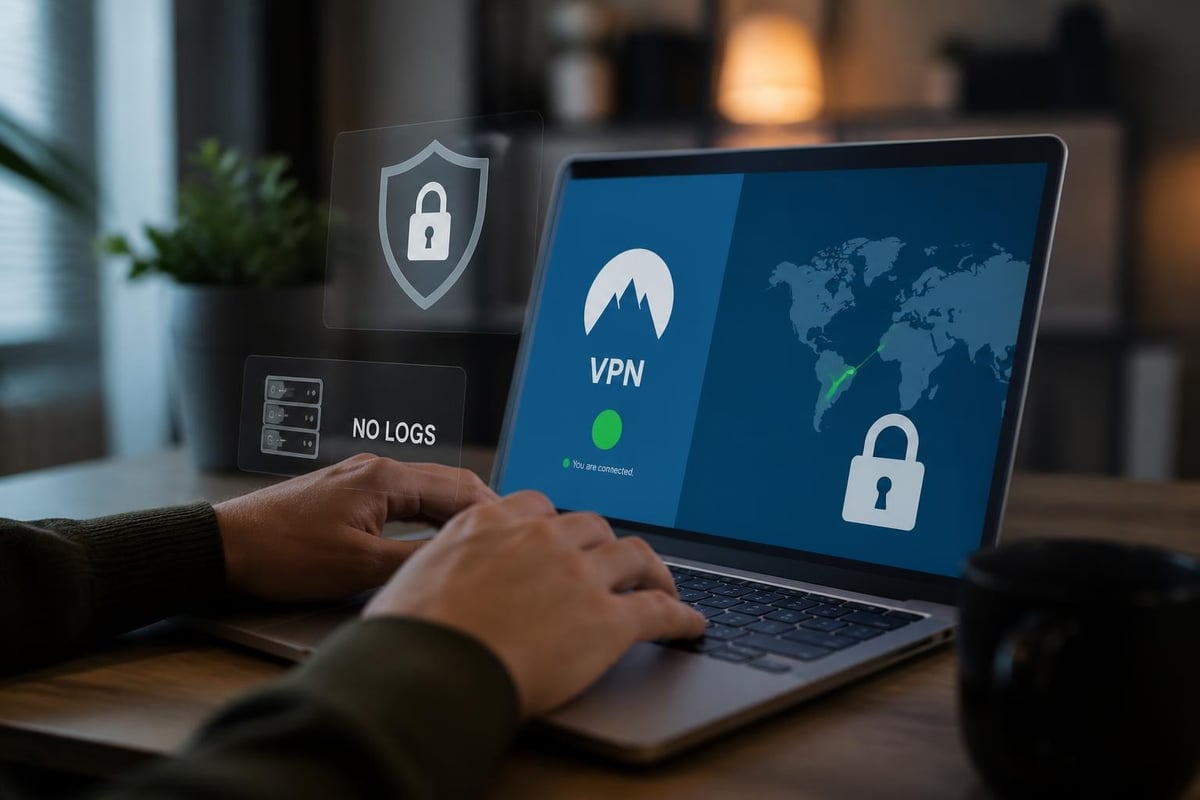
No-logs policies represent commitments to avoid collecting, storing, or sharing user activity data. However, implementation quality varies significantly across providers. When choosing a VPN that's right for you, the Electronic Frontier Foundation emphasizes examining provider policies carefully.
What Data Might Be Collected
Even privacy-focused providers typically collect some information:
- Account data including email addresses and payment information
- Connection logs with timestamps and server selections
- Bandwidth usage for capacity planning
- Technical diagnostics for troubleshooting and optimization
The distinction between connection logs and activity logs matters significantly. Connection metadata reveals when and where you connected, while activity logs detail specific websites visited and content accessed. A genuine no-logs commitment eliminates activity logging entirely.
Independent audits provide verification of privacy claims. Third-party security firms can examine infrastructure, review code, and validate that logging practices match stated policies. Users should prioritize providers who submit to regular external audits.
Emerging Threats and VPN Vulnerabilities
While VPN technology provides robust protection, no security tool offers absolute invulnerability. Understanding potential weaknesses helps users maintain realistic expectations and implement defense-in-depth strategies.
The CISA guidance on modern network access security highlights several VPN-related vulnerabilities that organizations face in 2026. These include:
- Exploitation of unpatched VPN appliances
- Credential theft through phishing campaigns
- Man-in-the-middle attacks on poorly configured implementations
- DNS and IPv6 leak vulnerabilities exposing user data
Common Leak Scenarios
DNS leaks occur when domain name resolution requests bypass the VPN tunnel, revealing browsing activity to ISPs. Proper configuration ensures all DNS queries route through the encrypted tunnel.
WebRTC leaks can expose real IP addresses through browser-based peer connections. Disabling WebRTC or using VPN services with built-in WebRTC blocking mitigates this risk.
IPv6 leaks happen when systems prefer IPv6 connections while the VPN only tunnels IPv4 traffic. Either disabling IPv6 or ensuring comprehensive IPv6 support prevents these leaks.
Research from the VPN Ecosystem measurement project documents real-world behavior of commercial VPN services, revealing that some providers exhibit unexpected data leaks or privacy weaknesses despite marketing claims.
Zero Trust Architecture and VPN Alternatives
The cybersecurity landscape continues evolving beyond traditional perimeter-based security models. Zero Trust Network Access (ZTNA) and Secure Access Service Edge (SASE) frameworks represent modern approaches that address VPN limitations.
Traditional VPN models assume trust within the encrypted tunnel. Once authenticated, users typically gain broad network access. Zero Trust architectures eliminate this implicit trust, requiring continuous verification for every access request.
Comparing Access Models
| Feature | Traditional VPN | Zero Trust (ZTNA) |
|---|---|---|
| Trust Model | Perimeter-based | Never trust, always verify |
| Access Scope | Network-level | Application-level |
| Authentication | One-time login | Continuous validation |
| Visibility | Limited | Comprehensive logging |
| Performance | Backhauled traffic | Direct-to-cloud paths |
The detailed CISA guidance document provides technical recommendations for organizations considering migration from VPN to Zero Trust models. This transition requires careful planning and phased implementation.
For many individuals and small businesses, traditional VPN services remain practical and effective. The key lies in understanding your specific security requirements and choosing solutions accordingly. Resources like Cloudflare's VPN replacement guidance help organizations evaluate whether migration makes sense for their environments.
Practical Implementation Best Practices
Deploying VPN technology effectively requires attention to configuration details, operational procedures, and user education. Poor implementation undermines even the strongest encryption protocols.
Essential Configuration Steps
- Enable kill switch functionality to block internet traffic if VPN connection drops
- Configure DNS leak protection ensuring all name resolution uses VPN servers
- Select optimal server locations balancing privacy, speed, and access requirements
- Implement strong authentication using multi-factor verification when available
- Regularly update client software addressing security vulnerabilities promptly
Organizations should reference NIST Special Publication 800-113 when implementing SSL VPN solutions, as it provides comprehensive guidance on secure deployment considerations.
Performance Optimization Strategies
VPN connections inherently introduce some latency due to encryption overhead and routing through remote servers. However, smart configuration minimizes performance impact:
Server selection dramatically affects speed. Connecting to geographically closer servers reduces latency, while choosing less congested servers improves throughput. ZioFree's global server network enables users to select optimal connection points based on their location and needs.
Protocol optimization allows trading security overhead for speed when appropriate. WireGuard typically offers the best performance for most users, while OpenVPN provides maximum compatibility across restricted networks.
Split tunneling routes only specified traffic through the VPN while allowing other connections directly to the internet. This approach improves performance for trusted applications but requires careful consideration of security implications.
Mobile and Multi-Device Considerations
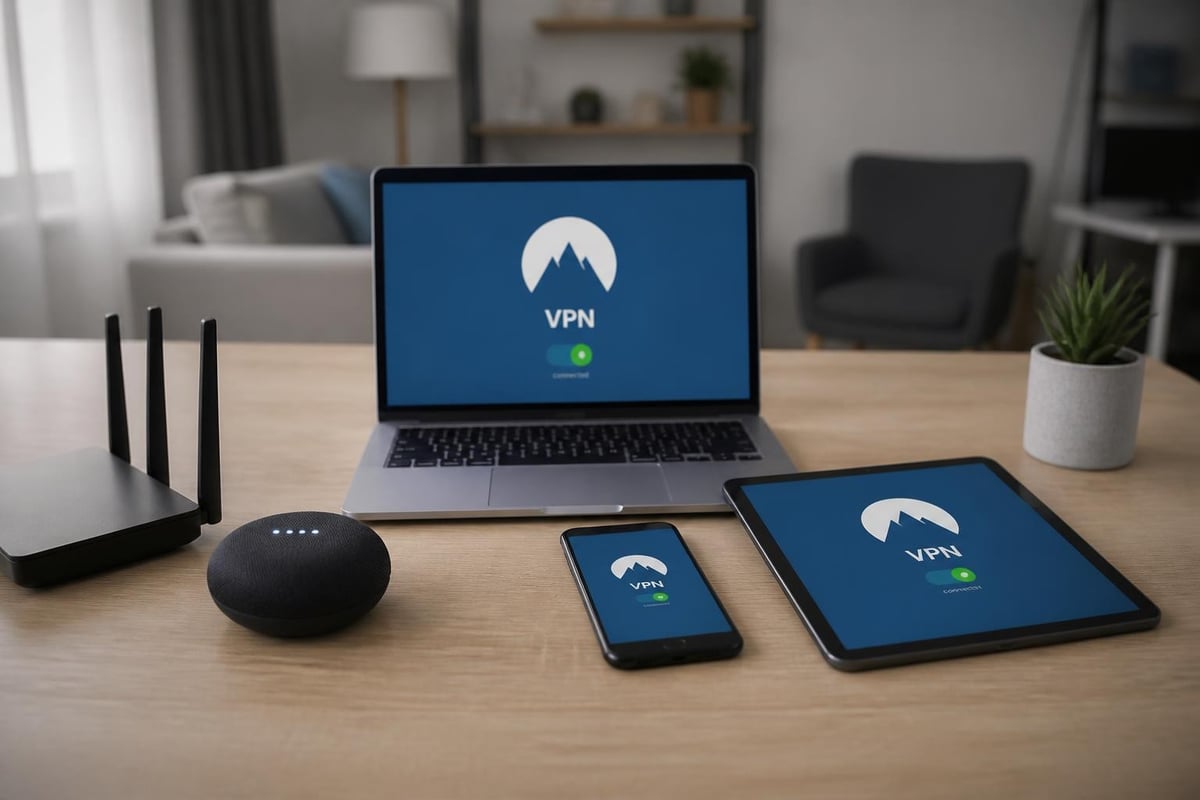
Modern users access online services from smartphones, tablets, laptops, and desktop computers. VPN solutions must accommodate this diverse device ecosystem while maintaining consistent security.
Mobile devices present unique challenges for VPN implementation. Battery consumption, frequent network transitions, and app-specific requirements demand protocol features like IKEv2's quick reconnection capabilities. Understanding my private internet needs across all devices helps users maintain comprehensive protection.
Device-Specific Recommendations
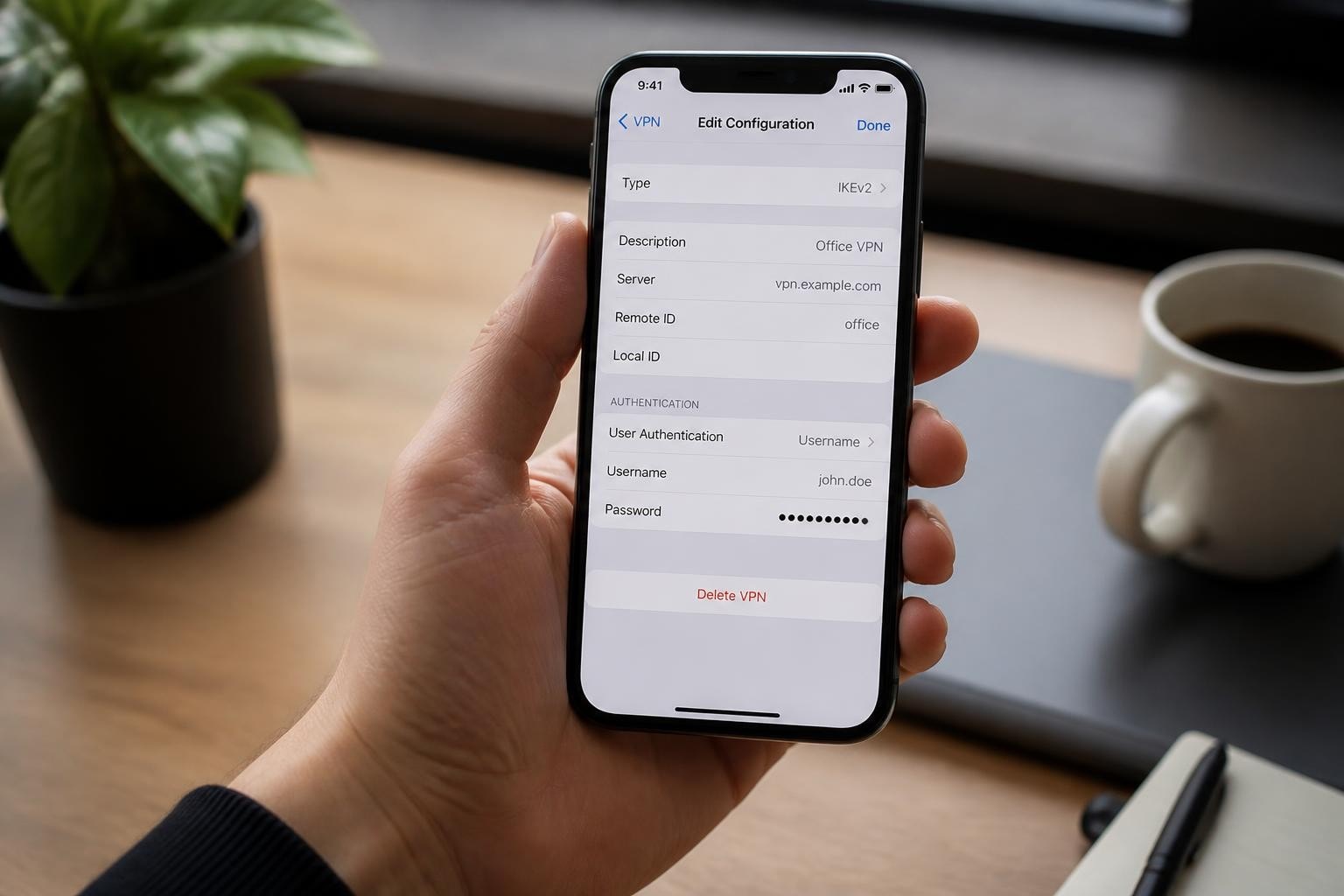
- iOS devices benefit from IKEv2/IPsec native integration and strong app sandboxing
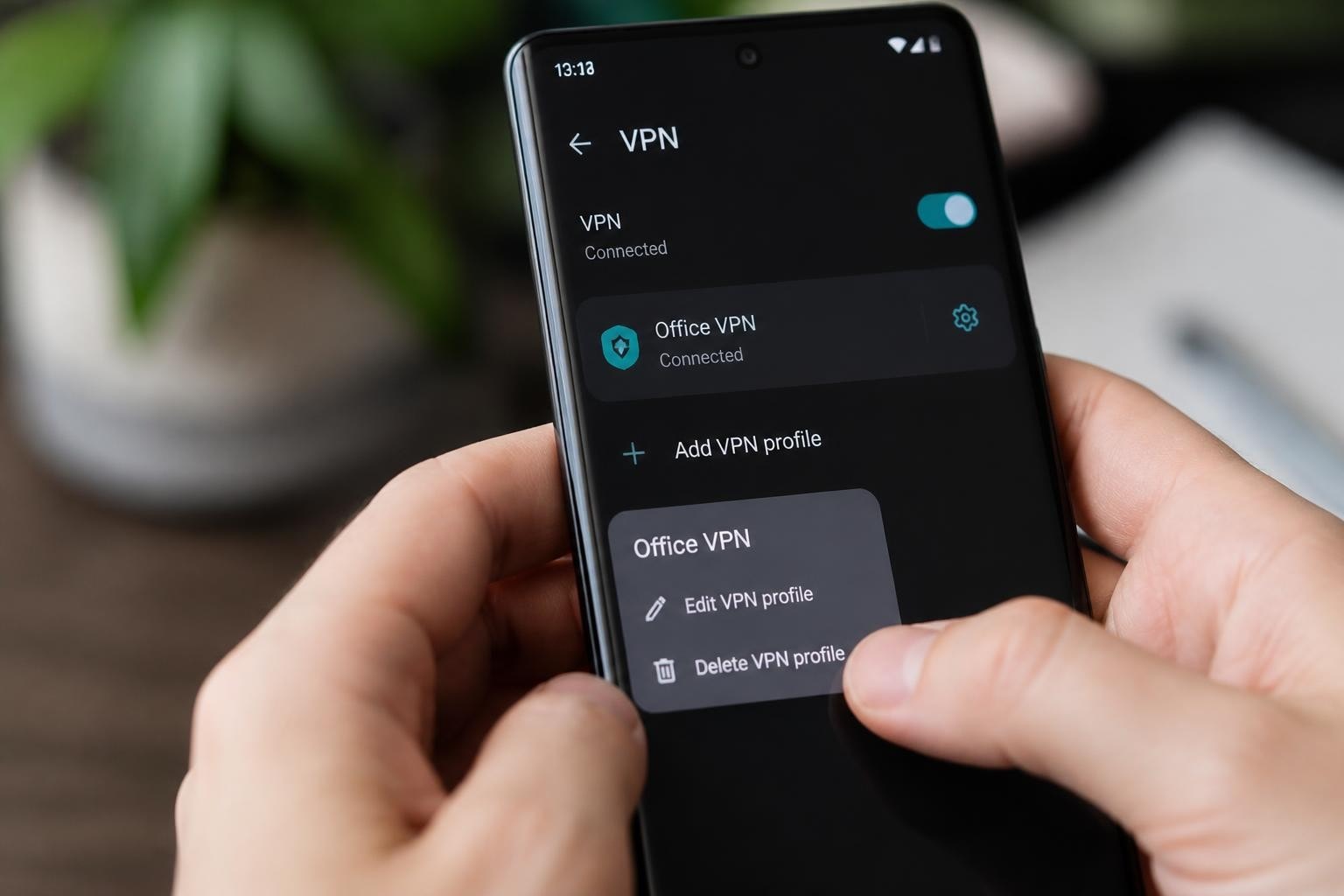
- Android systems require careful permission management and leak prevention settings
- Desktop computers handle any protocol effectively with minimal battery concerns
- Routers enable network-wide protection but limit server switching flexibility
Simultaneous connection limits vary by provider. Some services restrict users to specific device counts, while others allow unlimited concurrent connections. Checking pricing structures helps ensure plans accommodate all your devices.
Use Cases Beyond Privacy Protection
While privacy protection drives most consumer VPN adoption, these technologies serve diverse purposes across personal and professional contexts.
Bypassing geographic restrictions allows accessing region-locked content services. However, users should verify this usage complies with service terms and local regulations.
Securing public WiFi connections prevents attackers on shared networks from intercepting credentials, session tokens, or sensitive data. The risks of public WiFi extend beyond obvious security threats to include sophisticated man-in-the-middle attacks.
Remote work access enables employees to securely connect to corporate resources from any location. NIST guidance for operational technology environments addresses VPN deployment in industrial control systems and critical infrastructure.
Research and journalism benefit from VPN protection when accessing sensitive sources or conducting investigations in hostile environments. Activists and journalists rely on strong encryption to protect sources and maintain operational security.
Evaluating VPN Service Providers
The commercial VPN market includes hundreds of providers making varying privacy and security claims. Critical evaluation separates marketing hype from genuine security capabilities.
Key Evaluation Criteria
| Criterion | Why It Matters | What to Look For |
|---|---|---|
| Jurisdiction | Legal obligations vary by country | Privacy-friendly legal frameworks |
| Ownership | Transparency about parent companies | Clear, verifiable ownership structure |
| Infrastructure | Physical server control vs. virtual | Owned hardware, diverse locations |
| Auditing | Independent verification | Recent third-party security audits |
| Protocol Support | Security and performance options | Modern protocols like WireGuard |
Pricing models range from free services (often monetizing through advertising or data collection) to premium offerings with comprehensive features. The old adage "if you're not paying, you're the product" applies strongly to VPN services. Understanding what differentiates VPN services helps navigate marketing claims.
Customer support quality indicates overall service professionalism. Providers offering responsive, knowledgeable support typically demonstrate greater commitment to user experience across all aspects of their service.
For users comparing specific providers, examining Proton VPN alternatives or Mullvad comparisons provides practical insights into different approaches to privacy and security.
Technical Distinctions That Matter
Understanding technical differences between VPN implementations helps users make informed choices aligned with their security requirements and use cases.
RAM-only servers store no data persistently, ensuring information disappears when systems power cycle. This architectural choice provides strong guarantees against data retention, whether through court order or physical server seizure.
Obfuscation technologies disguise VPN traffic as regular HTTPS connections, helping bypass VPN blocking in restrictive networks. While not necessary for most users, these capabilities prove essential in censored environments.
Perfect forward secrecy generates unique encryption keys for each session. Even if attackers later compromise long-term keys, they cannot decrypt previously captured traffic. This feature significantly enhances long-term privacy protection.
Comparing VPN and incognito mode clarifies that browser privacy modes offer no network-level protection. Only VPN encryption prevents ISPs and network operators from monitoring your activities.
OpenVPN Deployment and Management
OpenVPN remains one of the most widely deployed VPN protocols, particularly in self-hosted and enterprise environments. Its open-source nature enables thorough security audits and customization.
Organizations can deploy OpenVPN servers for dedicated infrastructure control or use commercial services for simplified management. Each approach offers distinct advantages depending on technical capabilities and security requirements.
Configuration complexity represents OpenVPN's primary challenge. Proper certificate management, cipher selection, and networking setup require significant technical knowledge. However, this complexity enables fine-grained security controls unavailable in simpler protocols.
Compatibility across platforms makes OpenVPN suitable for heterogeneous environments. Client software exists for virtually every operating system, from traditional desktops to embedded systems and routers.
Organizations exploring free OpenVPN options should carefully evaluate the total cost of ownership, including administrative overhead, support requirements, and potential security risks from misconfiguration.
VPN technology provides essential privacy and security capabilities for both individual users and organizations in 2026's complex threat landscape. Understanding encryption protocols, recognizing potential vulnerabilities, and following implementation best practices maximize the protection these tools offer. ZioFree delivers high-speed VPN access with strong encryption, a global server network, and a strict no-logs policy that protects your privacy while defending against sophisticated threats. Explore how our advanced security protocols and commitment to user privacy can secure your digital life today.